CDC tips on ‘people first’ language

Talking with and About People with Disabilities
In the church, we want to use words that heal, not hurt.  For example, “Shut-ins,” no.  “People who are home-centered,” yes.  To foster respectful, appropriate communication with and about people with disabilities, the Centers for Disease Control and Prevention has created a fact sheet that recommends and provides examples of “people first” language in place of language that is considered stereotypical and dehumanizing.Communicating with and about persons with disabilities

Share the Post:

Related Posts

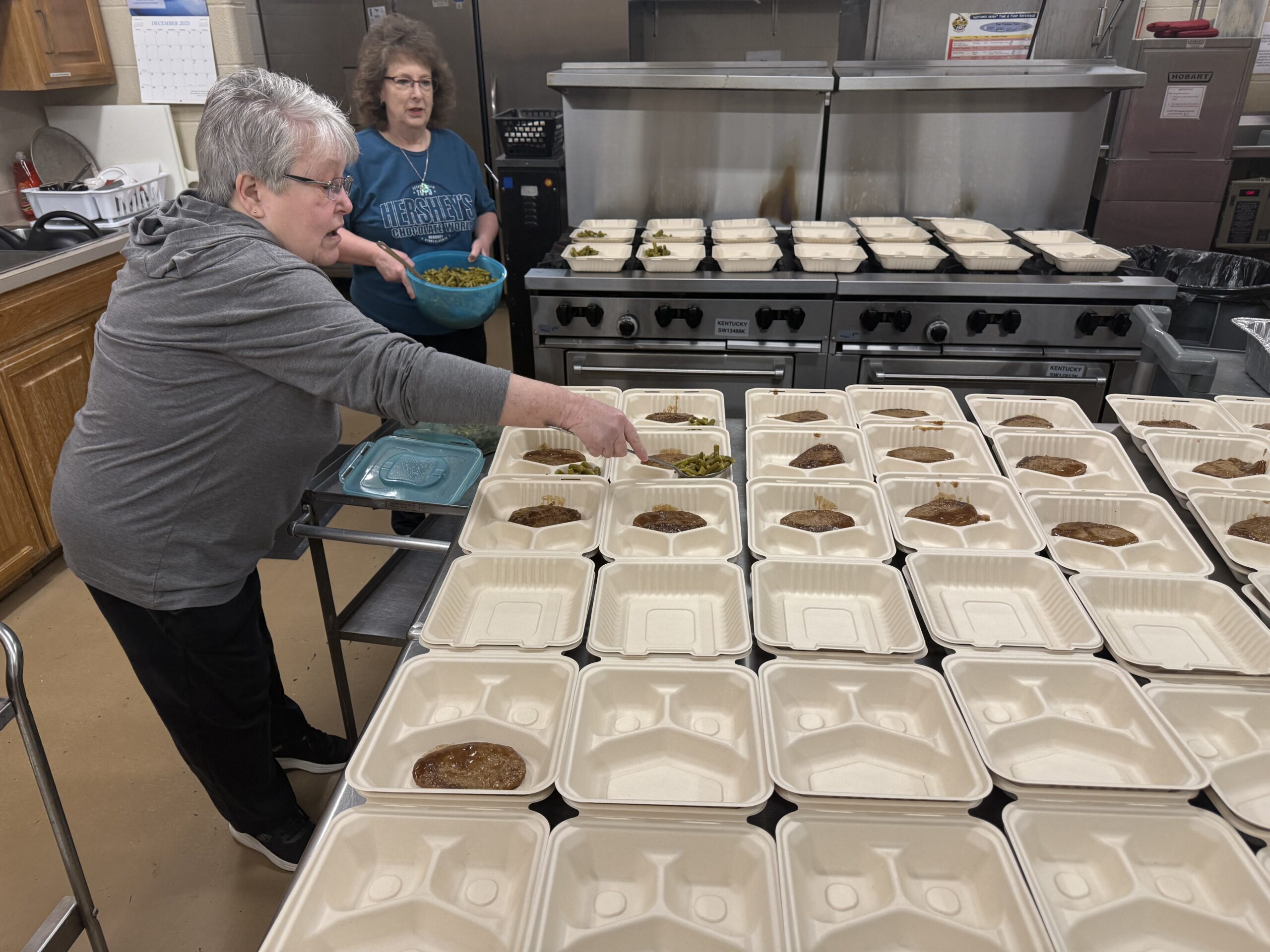
In a town of only a few hundred residents, Kirksey United Methodist Church demonstrates that impact is not measured by size. Through steady commitment and careful stewardship, this small congregation strengthens food security—one breakfast, one basket, and one neighbor at a time.

Small Church. Big Table.

In a town of only a few hundred residents, Kirksey United Methodist Church demonstrates that impact is not measured by size. Through steady commitment and careful stewardship, this small congregation strengthens food security—one breakfast, one basket, and one neighbor at a time.

Read More
Scam Alert

FBI Warns of Impersonation Scams

Criminals impersonate a wide range of local, state and federal government agencies, and the use of artificial intelligence makes these scams harder than ever to detect. Learn more about these trending scams.

Read More

Be the Hands and Feet of Jesus: Support Feeding Ministries

Together, we can be the hands and feet of Jesus, feeding the hungry, caring for the vulnerable, and showing love to those who need it most. Every dollar you give to the Kent and Ellen McNish Fund for Older Adult Food Security helps feeding ministries stretch resources and serve more meals to those in need. Donate today and help support life-changing feeding ministries like the People’s Table.