Observed on June 15, World Elder Abuse Awareness Day provides an opportunity for church leaders and congregations to promote dialogue and action on the issues of elder abuse, neglect, and exploitation.
We have all heard of stories such as a widowed 70+ year old man who falls victim to a sweet heart scam where another person, sometimes by long-distance, pretends to be in love with the widower. Over time, the widower gets bilked out of thousands of dollars.
Or, a grandmother who receives a phone call from a stranger indicating that her grandson is in Peru or Mexico and is in trouble and the grandmother needs to send hundreds of dollars to set him free. The story turns out to be false and she has been bilked out of hundreds, if not thousands, of dollars.
Other stories include:
- A family member cashes the victim’s checks, uses their credit cards, steals cash or valuables from the home, or convinces them to transfer property
- A crooked financial consultant draining a victim’s financial accounts
- A new friend enters the picture and has undue influence over the victim
We may tell ourselves it could never happen to me or anyone in our family, but don’t be so sure. Financial elder abuse — broadly defined as the illegal or improper use of the funds, property, or assets of people 60 and older by family, friends, neighbors, and strangers — is rising fast.
A recent study funded by the National Institute on Aging indicates that older adults may be even more vulnerable to fraud and scams than previously thought. The study mimicked a real-world government imposter scam. The results suggested that a sizeable number of older adults, including those without cognitive impairment, are vulnerable to fraud and scams.
Frauds and scams are growing among the older adult population. While some sources (e.g., MetLife Mature Market Institute) estimates that older adults get bilked out of nearly $3 billion every year, other sources indicate even more — upwards to $29 billion annually.
Men and women are equally vulnerable. Educated, pious United Methodists in Tennessee and Kentucky are not immune.
There’s an obvious reason why older adults are targets. Many older adults have large bank accounts. In addition, as we age, we may also become more trusting.
Many older adults – especially women – live alone, making them particularly vulnerable to financial exploitation. This happens due to a lack of support for older adults and their families. It doesn’t have to be this way.
Church leaders can help prevent elder abuse financial exploitation by informing and educating their congregations about elder abuse — especially frauds and scams – via alerts in your church newsletter and social media. Although June 15 marks Elder Abuse Awareness Day, increasing scam awareness and providing information on a regular basis are important steps church leaders can take to help decrease the risk of fraud victimization for older adults.
Keep in Mind
- Scam artists are criminals– it is not the victim’s fault nor lack of judgment for falling for a scam. We are all vulnerable!
- Older adults are often targeted for scams because they are:
- Often unaware of scam artists’ tactics
- Generous
- More trusting
- Scam artists are career criminals who practice their craft!
- Things all adults (older adults especially) should remember:
- You are not the winner of a contest, especially one you did not enter
- Your loved one is not stranded and in need of money to get home
- Your grandchild has not been arrested
- The soldier does not need your assistance to get home
- You are not a relative of royalty in a country you can’t find on a map and you are not entitled to any inheritance from that country
- If you owe money on a loan, you will not be arrested for non-payment
- Charities do not need your social security number to accept your donation – they do not have to report that to anyone for tax purposes
Resources for Church Leaders and Victims
- AgeWell of Middle Tennessee information about Scams and Frauds, https://agewelltn.org/scam-prevention
- AARP Frauds and Scams Helpline, https://www.aarp.org/money/scams-fraud/helpline.html
- World Elder Abuse Awareness Day, https://eldermistreatment.usc.edu/weaad-home/
- Identity Theft Resource Center, https://www.idtheftcenter.org/contact-us/
- Financial Crimes Enfoncement Center – Internet Crime Complaint Center, www.ic3.gov
- FBI Local Field Office, www.fbi.gov/contact-us
- National Center on Elder Abuse, https://ncea.acl.gov/home#gsc.tab=0
- Federal Trade Commission, 877-382-4357, www.ftc.gov/ftc/contact.shtm
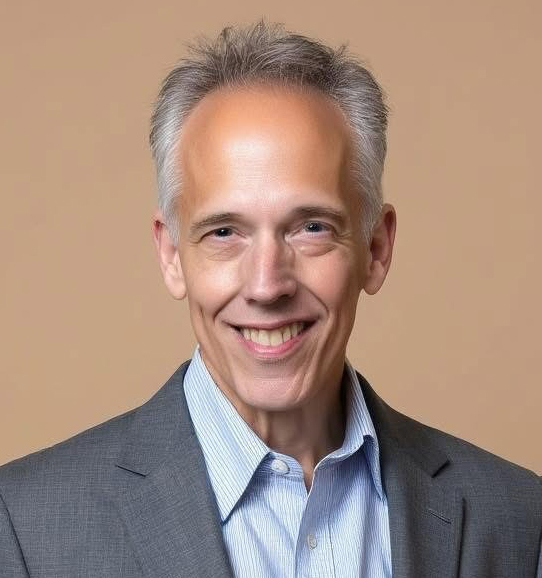
Dr. Richard Gentzler, director of Older Adult Ministry, oversees ENCORE Ministry’s mission of providing older adult ministry resources, leader training, and consultations. For more information, email Gentzler at or call 615-400-0539.