By Tim Tuttle
Memory Care is a next step in the continuum of care. Memory care apartments are designed for seniors with dementia, whether it is caused by Alzheimer’s or Parkinson’s disease, physical damage to the brain (often vascular dementia), or some other medical problem resulting in memory issues.
While many seniors living in assisted living have some level of memory loss or dementia, most will never have to move to a memory care apartment. Residents are typically able to continue living in assisted living unless they are an elopement (leaving the community) risk, acting inappropriately, or are unable to effectively communicate their needs.
Much like assisted living, memory care communities and sections of senior communities provide seniors with a safe and secure living environment, quality food, access to social and recreational activities, housekeeping, and help with activities of daily living (ADLs). Many senior communities include independent living, assisted living, and memory care sections so that residents do not have to move from the community if they need to progress to the next level of care.
There are a few key distinctions between memory care and assisted living. The most noticeable is that the areas containing memory care apartments are secure from the inside. People inside the memory care area need a door code to leave – ensuring those who should not leave cannot leave.
One of the biggest risks a person with dementia faces is elopement: leaving the community unsupervised. Dementia sufferers who elope often find themselves far from their house or community with no idea how to get back. This can be especially dangerous in cold weather or in areas of high auto traffic.
Memory care areas also have a higher staff-to-resident ratio to assist caregivers in supervising residents who need more care. In addition, staff members in a memory care area are usually specially trained to work with people with dementia and how to re-direct them when they become agitated.
Memory care apartments are usually smaller than those in assisted living. The intent is to have residents in common areas during the daytime where they can interact with each other and be under closer supervision. Memory care apartments will not have any appliances, except perhaps a small refrigerator. The communities serve three full meals and provide housekeeping and laundry services in the rent.
The cost of rent in memory is dependent upon factors such as apartment size, community location, and amenities provided. Typical monthly rents run from $7,000 – $10,000. Unlike assisted living, most communities include the cost of care in the rent.
We can introduce you to – and tour with you –communities with memory care apartments which we trust to take care of you or your beloved family member.
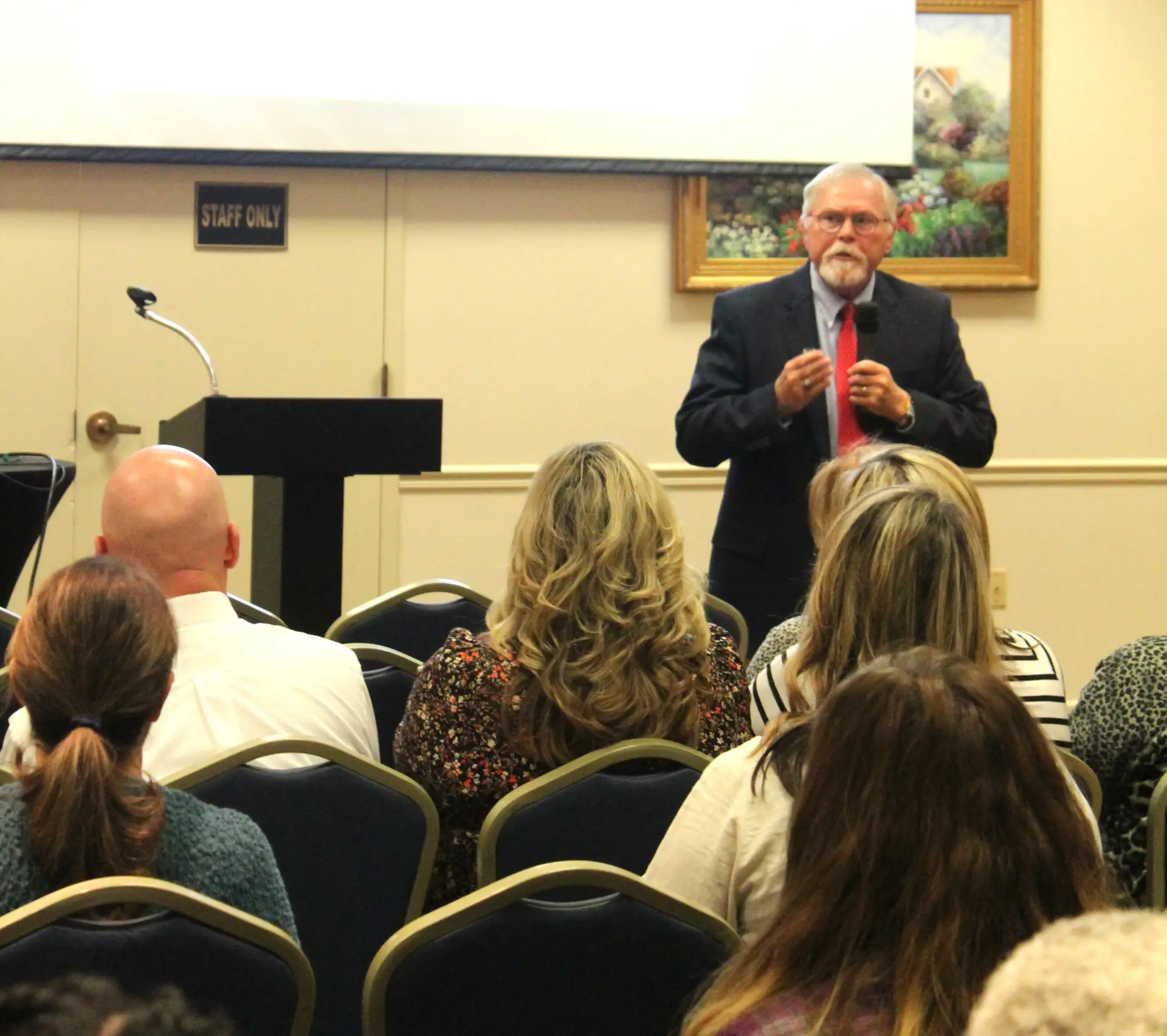
 Assisted Living Locators (ALL) South Nashville is owned by Tim Tuttle, a retired Air Force officer, the Commander of the Franklin Veterans of Foreign Wars, and a member of Franklin First United Methodist Church. Tim was inspired to open ALL – South Nashville five years ago after his mother’s experience needing care after a hospitalization. Tim’s teammate, Nancy Blankinship, is a social worker with over 20 years of experience working with seniors. Nancy’s a native Middle Tennessean who personally nursed a loved one through hospice to his passing. Tim has received accolades for his presentation to Franklin First United Methodist Church’s Adult Ministry Plus program. Please contact him at if you are interested in him providing instruction to your senior ministry program.