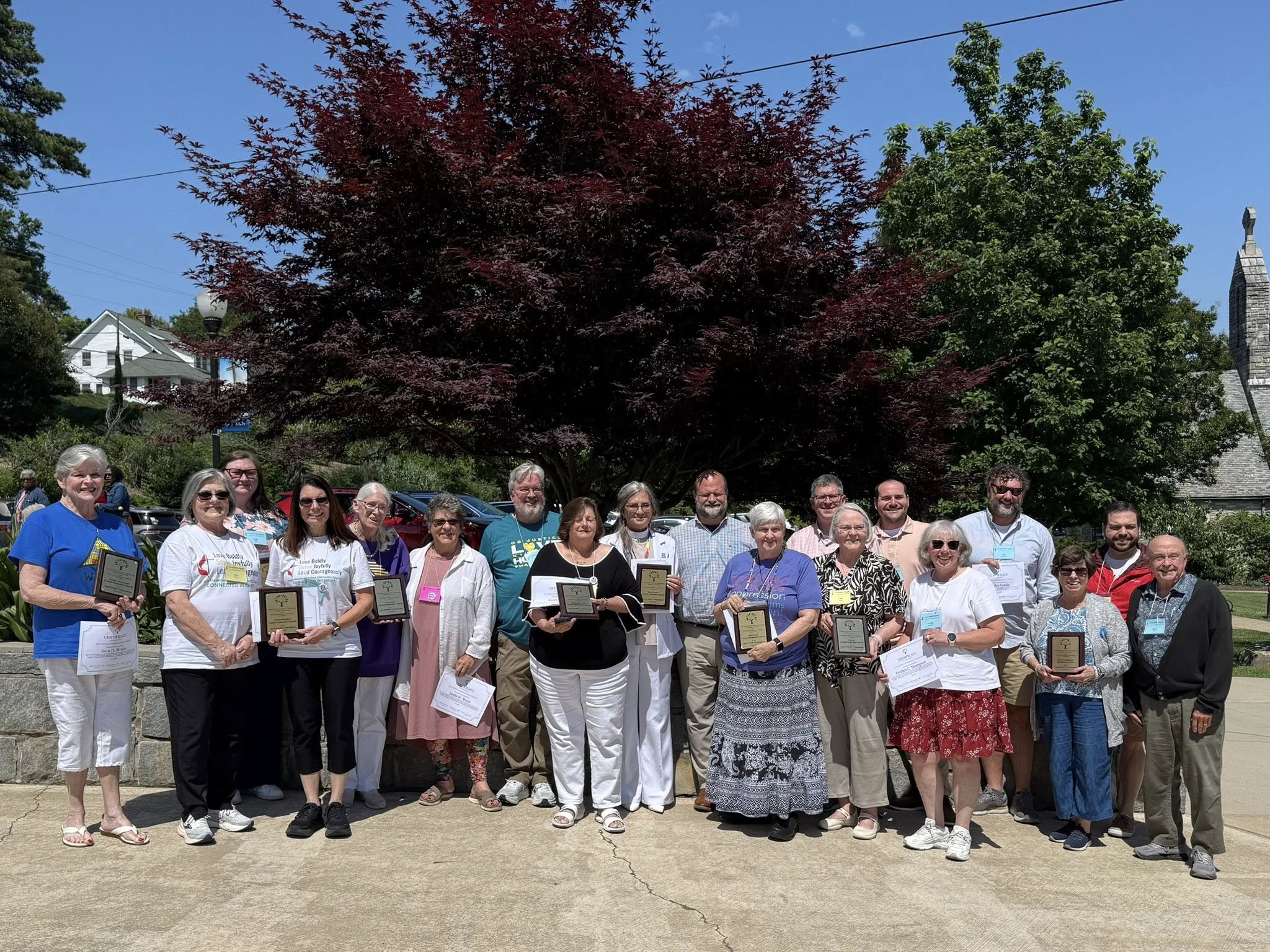
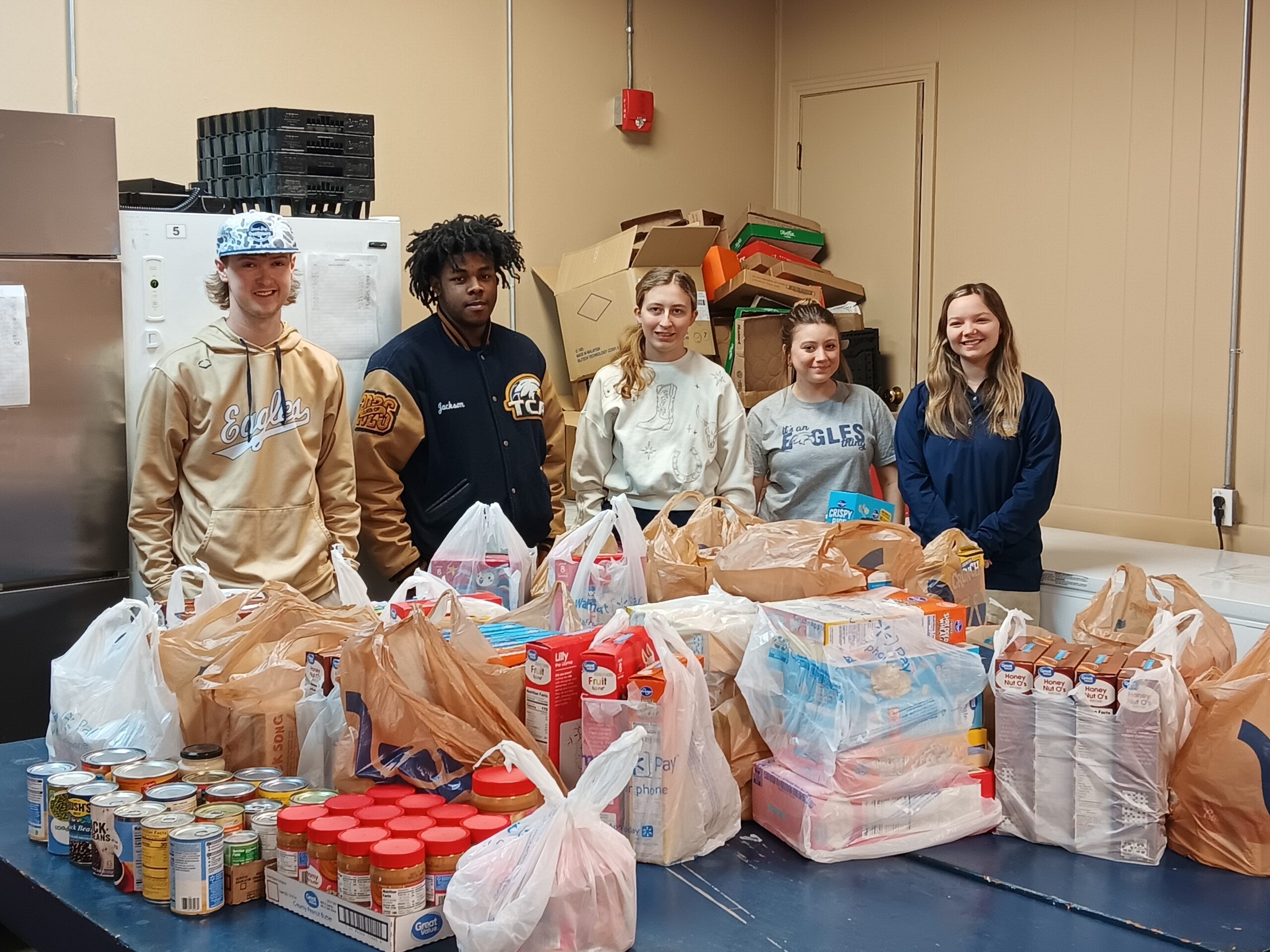
“The grant came about one week after the primary cooler… died on us,” Newman said. “I consider this to be a God thing in no uncertain terms.”
The ENCORE Ministry Foundation Food Security Grant allowed the church to replace the cooler and continue providing fresh food without interruption. It also ensured the ministry could maintain consistent access to perishable items that many households depend on but cannot regularly afford.
“This is a commodity that many of our patrons look forward to every week,” Newman said.

With the new equipment and financial stability, volunteers can now focus more on service and less on crisis management. The grant strengthened the pantry’s operations and reinforced its ability to serve reliably week after week.
Volunteers—including a large number of older adults—remain central to the ministry’s success. Each Saturday, 15 to 20 volunteers serve on-site, with a broader network of about 120 individuals supporting weekday work such as unloading deliveries and organizing food.
“Our senior adults not only receive help, but they help serve,” Newman said. “The grant has been a great booster. It shows we can keep going.”
That consistency has also deepened trust within the community. Most families hear about the pantry through word of mouth, and participation continues to grow across economic, social, and religious lines.
“We are crossing not only economic boundaries,” Newman said, “but also religious and socioeconomic boundaries because we are all working together for the same cause.”
Looking ahead, church leaders emphasize that food insecurity remains a long-term challenge in the region, not a temporary need. Their focus is on sustaining and strengthening the ministry rather than expanding beyond capacity.
“There’s not a community in the United States that is not facing food insecurity,” Newman said. “We are called to meet the needs of our neighbors.”
For Covington First United Methodist Church, the ENCORE Ministry Foundation grant has helped ensure that call continues to be met—steadily, reliably, and with dignity.
About ENCORE Ministry Foundation
ENCORE Ministry Foundation equips congregations to serve older adults through grants, partnerships, leadership development, and age-friendly church certifications. In 2025, the foundation awarded $100,000 to 20 churches through the Kent and Ellen McNish Food Security Grant, supporting food distribution ministries for older adults facing hunger.
To learn more or support the Food Security Fund, visit encoreministry.org or contact Executive Director John Rivas at.