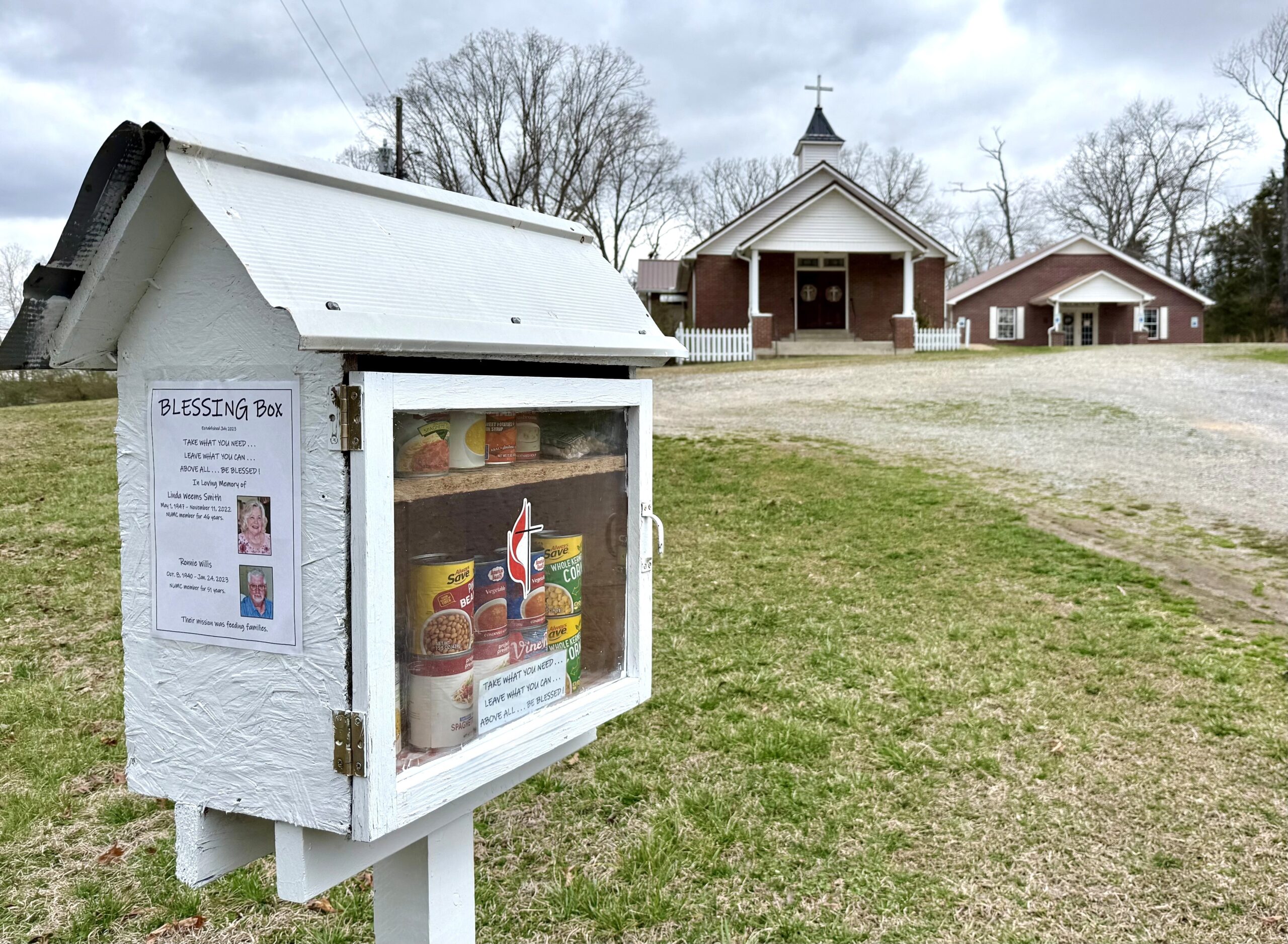
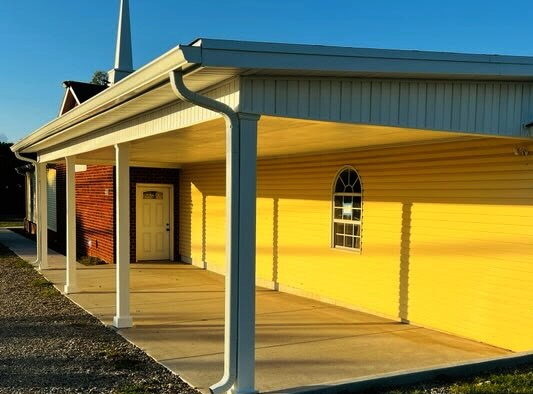
For more than 120 years, Elders Chapel United Methodist Church has stood at the heart of a small but rapidly growing community about 20 miles south of Nashville, Tennessee. What began as a historically African American congregation has grown into a vibrant multicultural church that reflects the changing neighborhood around it. On any given Sunday, 40 to 50 people gather in person, with another 50 joining online. It is a small church by most standards — but its table stretches wide.
Nearly 80 to 90 percent of the congregation is made up of seniors, many in their late 80s and 90s. With five senior housing complexes nearby, Elders Chapel began asking more than a decade ago: What do our neighbors truly need? The answer started simply.
Volunteers began hosting gatherings inside the senior communities — bingo nights filled with laughter, hot meals, and practical prizes like paper towels and household essentials. Extra food was always prepared so guests could take some home. What grew from those evenings wasn’t just fellowship. It was trust.
As relationships deepened, a pattern became clear. Toward the end of each month, many seniors quietly struggled. Fixed incomes didn’t stretch far enough. Some chose between medicine and groceries. Others couldn’t navigate complex paperwork required by larger programs. Even with other organizations serving nearby, neighbors were falling through the cracks.
So Elders Chapel leaned in. When COVID-19 shut down in-person gatherings, the church pivoted quickly. If they couldn’t enter the buildings, they would bring food to the parking lot. The ministry transformed into a monthly drive-through grocery distribution. Cars pull up. Volunteers greet each driver by name when they can. Bags of food are placed gently into trunks. No paperwork. No proof of income. No complicated forms.
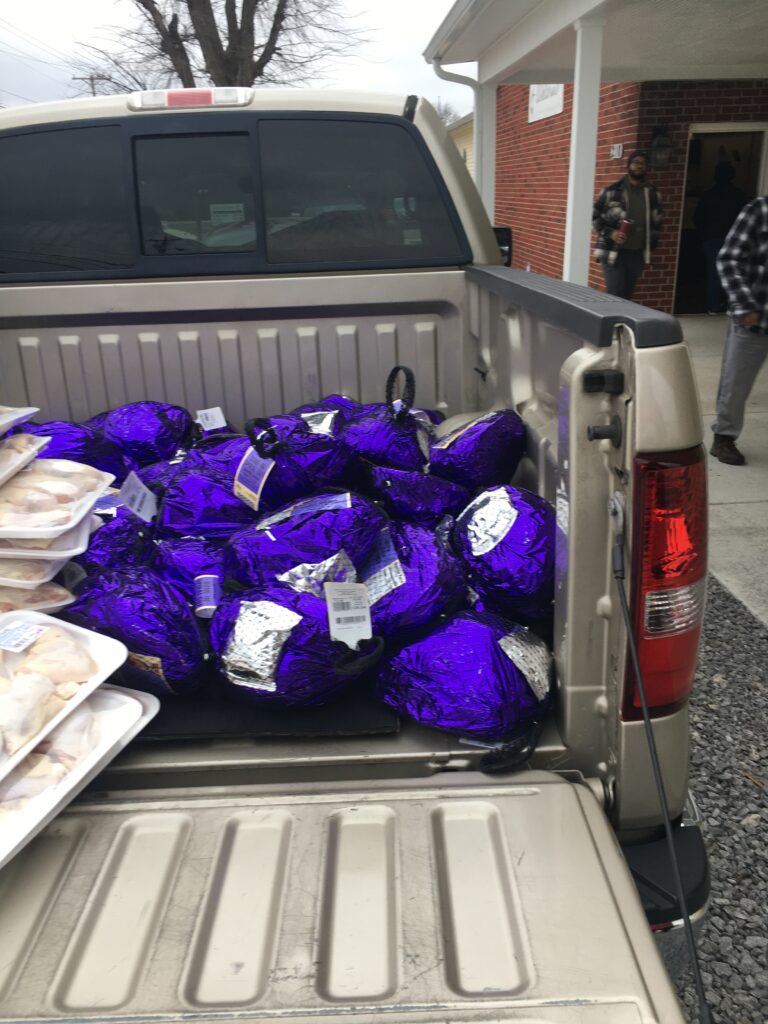
You come as you need ... This month, next month — we’re here.
John Howse
“You come as you need,” John Howse, program contact says. “This month, next month — we’re here.” For seniors who no longer drive, friends step in. Neighbors pick up for neighbors. Some drive others to the church. The ministry has become more than a food line; it is a web of care woven throughout the community.
At each distribution, a prayer board stands nearby. People write requests or simply ask for someone to pray with them on the spot. Volunteers pause, listen, and lift concerns to God right there in the parking lot. “We don’t want to rob anyone of their humanity,” John explains. “If we just hand someone a bag and send them on, we’ve missed something. We want to know them. Walk with them.”
That commitment to relationships has built unexpected bridges. Generational differences, cultural hesitations, even long-held assumptions have softened over time. Seniors who once felt unsure about receiving help now linger to talk. Some who first came for groceries now serve as volunteers themselves. Attendance at the church has grown, not because of advertising campaigns or big events, but because people have experienced consistent love.
Today, Elders Chapel distributes approximately 120 grocery baskets each month, spending nearly $1,400 to meet the need. They purchase food locally and receive additional support through partnerships, but rising costs have made sustainability a challenge.
Receiving the ENCORE Ministry Foundation Food Security Grant arrived at just the right moment. The funding allowed the church not only to continue, but to strengthen what they offer. Instead of relying mostly on canned goods, baskets now include fresh produce and nutritious staples — oranges, apples, potatoes, lettuce, tomatoes, milk, orange juice, cereal, pasta, oatmeal bars, bread, and protein items. Families leave with food they can build real meals around.
For volunteers, the grant brought renewed energy. “When people saw we could do more, they were excited,” Sheila Howse, program contact shares. “They knew this ministry wasn’t going away.”
Looking ahead, Elders Chapel remains grounded in a simple calling: remember the poor and stay present. For other small churches considering food ministry, John offers steady advice: start small, pray deeply, and build relationships before programs. “Don’t roll out something so big that you overwhelm everyone,” he says. “Grow into it. And make sure you’re walking with people, not just serving them.”
In a fast-growing town, this 120-year-old church continues to prove that faithfulness doesn’t require size. It requires staying power. It requires open hands. And sometimes, it begins with a bingo card and a hot meal — and grows into a community where no one is forgotten.
About ENCORE Ministry Foundation
ENCORE Ministry Foundation equips congregations to serve older adults through grants, partnerships, leadership development, and age-friendly church certifications. In 2025, the foundation awarded $100,000 to 20 churches through the Kent and Ellen McNish Food Security Grant, supporting food distribution ministries for older adults facing hunger.
To learn more or support the Food Security Fund, visit encoreministry.org or contact Executive Director John Rivas at.